



Every game 全種目
Almost every game here is five in a row with one idea changed. Every name below leads to that game, and the three ways of looking at the list are the same games arranged differently.
44 games in 11 families. Each one has a page of its own, and under it the rules, the record, the standings and a board.
Five in a row 五目7 games
The classic and its tournament forms. Start with Gomoku; the rest tighten the rules.
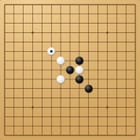 Gomoku五目並べ
- Five or more in a row wins.Also known as Go-Moku, Go Moku, Pro Go-Moku, Large Go Moku, Small Go Mokuplayrulesrecordstandingsfamily
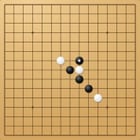 Renju連珠
- Black may not make a double three, a double four or an overline. White may.playrulesrecordstandingsfamily
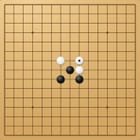 Omok오목
- The double three is forbidden for both sides. Overlines win.Nobody has played this yetReading is free — join to be the first to play it →playrulesrecordstandingsfamily
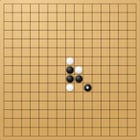 CaroCờ ca-rô
- Exactly five wins, and only if it is not shut in at both ends.Nobody has played this yetReading is free — join to be the first to play it →playrulesrecordstandingsfamily
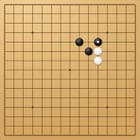 Connect6六子棋
- Two stones a turn. Six in a row wins.Also known as Connect 6, Connect SixNobody has played this yetReading is free — join to be the first to play it →playrulesrecordstandingsfamily
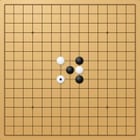 Misère Five負け五目
- Five in a row loses. Make your opponent complete it.Nobody has played this yetReading is free — join to be the first to play it →playrulesrecordstandingsfamily
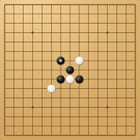
Captures 取り2 games
Five in a row, or take enough of the other side's stones.
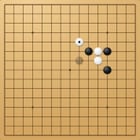 Ninuki-renju二抜き連珠
- Five in a row wins. So does capturing five pairs.Also known as Pente, Golden Penteplayrulesrecordstandingsfamily
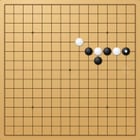 Sannuki-renju三抜き連珠
- The capture game where a flank takes a pair or a triple. Fifteen stones win.Inspired by Keryo-PenteAlso known as Pro Pente, Keryo PenteNobody has played this yetReading is free — join to be the first to play it →playrulesrecordstandingsfamily
Drops 落とし8 games
Stones fall to the bottom of their column. Quick, and good on a phone.
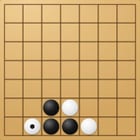 Drop Four落とし四目
- Stones fall to the bottom of their column. Four in a row wins.Inspired by Connect FourAlso known as Four In a Row, Stack4, Stack 4x4playrulesrecordstandingsfamily
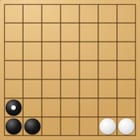 Ring Drop輪落とし
- Drop Four on a cylinder: the left and right edges join.Inspired by Connect FourAlso known as Cylindrical Four (Only) In a RowNobody has played this yetReading is free — join to be the first to play it →playrulesrecordstandingsfamily
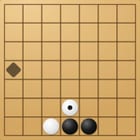 Hole Drop穴落とし
- One square is dead: nothing can land on it or count through it.Inspired by Connect FourAlso known as Blackhole Four in a RowNobody has played this yetReading is free — join to be the first to play it →playrulesrecordstandingsfamily
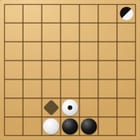 Hot Drop熱点落とし
- A hotspot counts as either colour, and a hole counts as nothing.Inspired by Connect FourAlso known as Hotspot Four in a RowNobody has played this yetReading is free — join to be the first to play it →playrulesrecordstandingsfamily
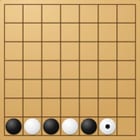 Clear Drop消し落とし
- A full bottom row vanishes and everything drops a row.Inspired by Connect FourNobody has played this yetReading is free — join to be the first to play it →playrulesrecordstandingsfamily
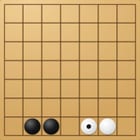 Giveaway Drop譲り落とし
- Making four loses. Force your opponent into it.Inspired by Connect FourAlso known as Giveaway Four in a RowNobody has played this yetReading is free — join to be the first to play it →playrulesrecordstandingsfamily
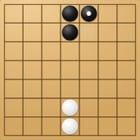 Edge Drop縁寄せ
- Gravity from all four edges: a stone must rest on something.Inspired by Connect FourAlso known as Zero G Four in a RowNobody has played this yetReading is free — join to be the first to play it →playrulesrecordstandingsfamily
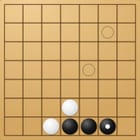 Wormhole Drop穴通し落とし
- Two squares are joined: a line entering one comes out of the other.Inspired by Connect FourAlso known as Wormhole Four in a RowNobody has played this yetReading is free — join to be the first to play it →playrulesrecordstandingsfamily
Pieces and twists 駒と回し4 games
Our own games: lay dominoes or blocks from a shared queue, or turn the board after every stone.
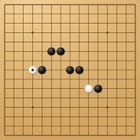 Domino Five二連五目
- Gomoku with dominoes: every piece is two stones, and not always yours.playrulesrecordstandingsfamily
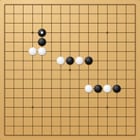 Block Five積み五目
- Gomoku with falling-block pieces: four stones each, two of each colour.Inspired by the seven tetromino shapesNobody has played this yetReading is free — join to be the first to play it →playrulesrecordstandingsfamily
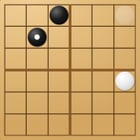 Twist Five回し五目
- Place a stone, then turn one quarter of the board. Five wins.Inspired by PentagoNobody has played this yetReading is free — join to be the first to play it →playrulesrecordstandingsfamily
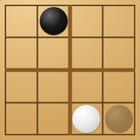 Twist Four回し四目
- The small twist game: four 2×2 quadrants, four in a row.Inspired by PentagoNobody has played this yetReading is free — join to be the first to play it →playrulesrecordstandingsfamily
Flips 反転5 games
Nothing is yours until the end. Bracket a run of the other colour and it turns.
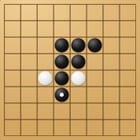 Reversiリバーシ
- Bracket a run of the other colour and it turns. Most discs at the end wins.Inspired by OthelloAlso known as Flipversiplayrulesrecordstandingsfamily
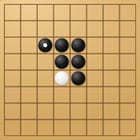 Classic Reversi古式リバーシ
- The 1880s rule: the players lay the first four discs themselves. Any flipping game here can be set up either way.Nobody has played this yetReading is free — join to be the first to play it →playrulesrecordstandingsfamily
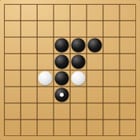 Anti-Reversi逆リバーシ
- Everything turns as usual, but the fewer discs wins.Also known as Anti-Flipversi, Anti-Flipversi 6x6Nobody has played this yetReading is free — join to be the first to play it →playrulesrecordstandingsfamily
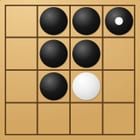 Mini Reversi小リバーシ
- The flipping game on a 4×4 or 6×6 board, which can grow to 8×8 mid-game.Also known as Flipversi 6x6playrulesrecordstandingsfamily
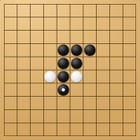 Grand Reversi大リバーシ
- The flipping game on a 10×10 board: a longer game, with more middle to fight over before anyone reaches an edge.Inspired by OthelloAlso known as Flipversi 10x10Nobody has played this yetReading is free — join to be the first to play it →playrulesrecordstandingsfamily
Strange boards 変盤2 games
Five in a row, on a board that does not behave: edges that join, and squares you cannot use.
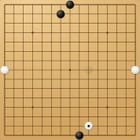 Toroidal Five輪王五目
- Five in a row on a board with no edges: every side joins its opposite.Nobody has played this yetReading is free — join to be the first to play it →playrulesrecordstandingsfamily
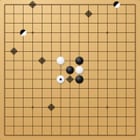 Obstacle Five石場五目
- Five in a row across a board scattered with dead squares and hotspots.Nobody has played this yetReading is free — join to be the first to play it →playrulesrecordstandingsfamily
Races 競走2 games
No lines and nothing captured. Get every piece across the board before the other side does.
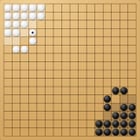 Halmaハルマ
- A race across the board: step, or jump chains over any piece, and fill the far corner first.playrulesrecordstandingsfamily
 Chinese Checkersダイヤモンドゲーム
- Fill the point of the star directly opposite yours, one step or jump-chain at a time.Nobody has played this yetReading is free — join to be the first to play it →playrulesrecordstandingsfamily
Connections 連結1 game
No lines and nothing taken. Join your own two sides of the board before the other side joins theirs.
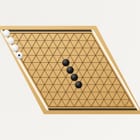
Checkers チェッカー6 games
No lines, no queue, no board full of stones. Jump the other side's pieces off, or be left with no move at all.
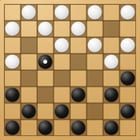 Checkersチェッカー
- Jump the other side's pieces off the board. Capturing is forced, and a king moves both ways.playrulesrecordstandingsfamily
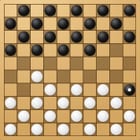 International Draughts国際ドラフツ
- Draughts on a 10×10 board: men take backward, kings fly, and you must take the most you can.Nobody has played this yetReading is free — join to be the first to play it →playrulesrecordstandingsfamily
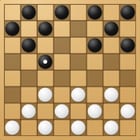 Brazilian Draughtsブラジルチェッカー
- The international rules on the 8×8 board: men take backward, kings fly, and the longest capture is compulsory.Nobody has played this yetReading is free — join to be the first to play it →playrulesrecordstandingsfamily
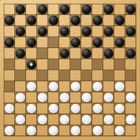 Canadian Checkersカナディアンチェッカー
- The international rules on a 12×12 board, with thirty men a side.Nobody has played this yetReading is free — join to be the first to play it →playrulesrecordstandingsfamily
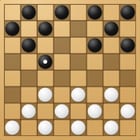 Russian Draughtsロシアチェッカー
- Draughts on 8×8 with flying kings: men take backward, any capture may be chosen, and a man crowned mid-capture takes on as a king.Nobody has played this yetReading is free — join to be the first to play it →playrulesrecordstandingsfamily
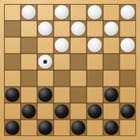 Pool Checkersプールチェッカー
- American pool: men take backward, kings fly, and you choose which capture to make.Nobody has played this yetReading is free — join to be the first to play it →playrulesrecordstandingsfamily
Territory 陣地1 game
No lines, nothing moves, and stones are captured whole. Surround more of the board than the other side.
Small boards 小盤6 games
Games you can read to the end, and games where the trick is what you must not do.
 Wild Tic-tac-toe自由三目
- Place either mark. Three in a row of either wins for whoever makes it.playrulesrecordstandingsfamily
 Trap Three罠三
- Four in a row wins. Three in a row loses.Inspired by SquavaNobody has played this yetReading is free — join to be the first to play it →playrulesrecordstandingsfamily
 Square Four四角四目
- Four pieces each. Line them up, or make a square.Inspired by TeekoNobody has played this yetReading is free — join to be the first to play it →playrulesrecordstandingsfamily
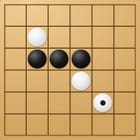 Maker and Breaker作り手と壊し手
- Both players place either colour. One wants a five, the other wants none.Inspired by Order and ChaosNobody has played this yetReading is free — join to be the first to play it →playrulesrecordstandingsfamily
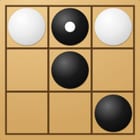
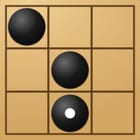
Some games here are our own versions of games you may know by other names, rebuilt from their rules under names of our own. Drop Four is our version of the falling-stone game sold as Connect Four; Twist Five and Twist Four of the quadrant-turning game sold as Pentago; Ninuki-renju is the Japanese ancestor of the capture game sold as Pente, and Sannuki-renju our version of the pair-and-triple rule sold as Keryo-Pente; Maker and Breaker is our version of the game published as Order and Chaos.
Connect Four is a trademark of Hasbro; Pentago of Mindtwister; Pente and Keryo-Pente of Winning Moves. None of them has any connection with this site, and the names appear here only to say what a game resembles. Renju, Omok, Caro, Connect6, Squava, Teeko, Notakto and Wild tic-tac-toe are traditional or published games whose rules are described in their own words; Trap Three and Square Four are our names for the first two.